V8-A Cortex CPUs training courses
Armv8-A training courses on the Cortex-A32 to Cortex-A78: AArch64 and AArch32, exception levels, MMU and caches, GIC, TrustZone, virtualization, DynamIQ clusters, debug and trace.

Armv8-A training courses on the Cortex-A32 to Cortex-A78: AArch64 and AArch32, exception levels, MMU and caches, GIC, TrustZone, virtualization, DynamIQ clusters, debug and trace.
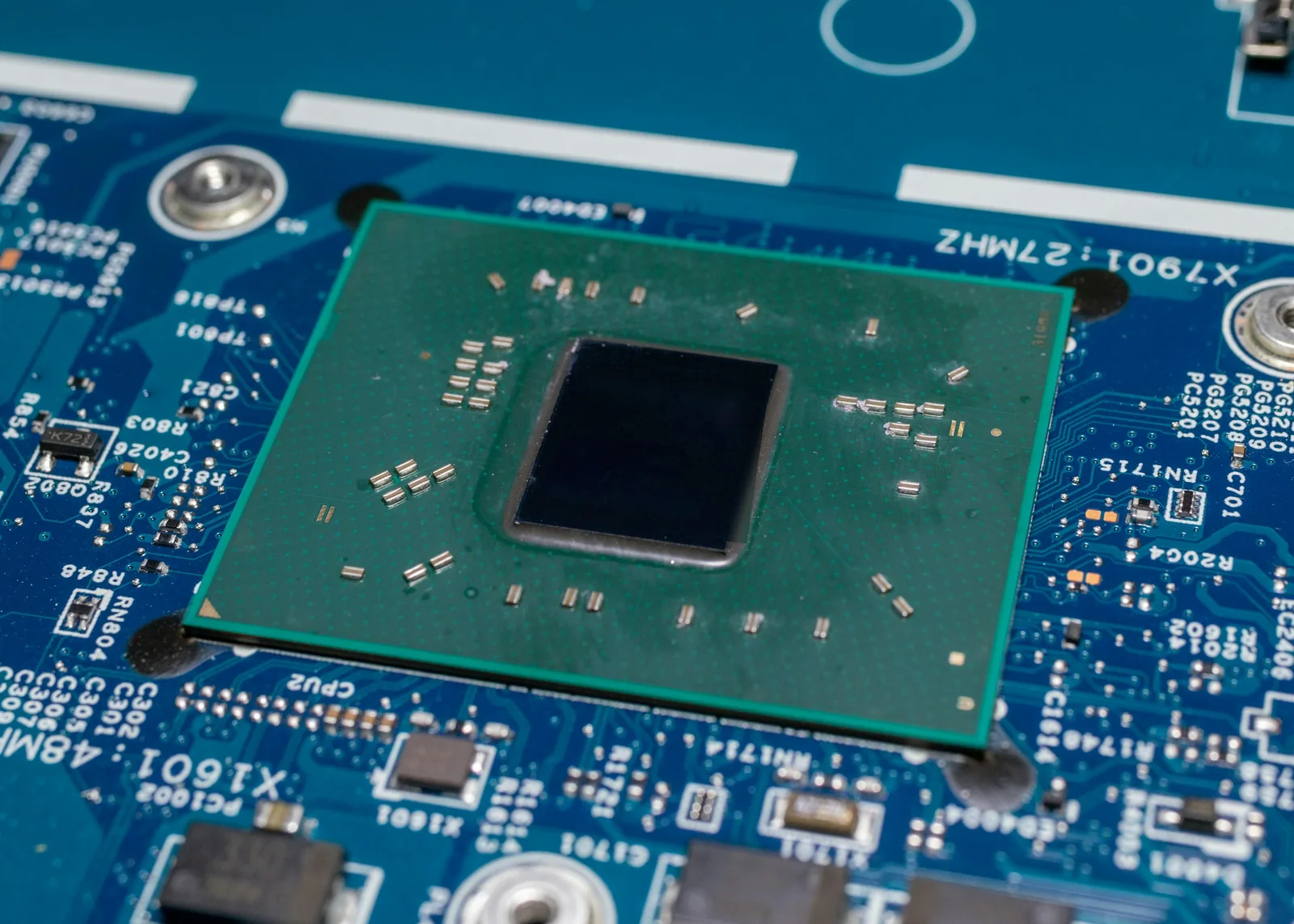
This course explains the ARM V8-A software architecture to enable participants to efficiently develop low level software, implementing the features offered by the CPU: MMU, cache, exceptions, security, virtualization and multicore. All revisions including V8.5-A are covered. This course does not detail implementation dependent features implemented in particular ARM V8-A processor cores.
This course explains the hardware and software architecture of the Cortex-A78 to enable participants to efficiently design an SoC based on this CPU, verify it, and develop low level software, implementing the features offered by the CPU: MMU, cache, exceptions, security, virtualization and multicore. Differences between Cortex-A78 and Cortex-A78AE are highlighted.
This course explains the hardware and software architecture of the Cortex-A77 to enable participants to efficiently design an SoC based on this CPU, verify it, and develop low level software, implementing the features offered by the CPU: MMU, cache, exceptions, security, virtualization and multicore
This course explains the hardware and software architecture of the Cortex-A76 to enable participants to efficiently design an SoC based on this CPU, verify it, and develop low level software, implementing the features offered by the CPU: MMU, cache, exceptions, security, virtualization and multicore. Differences between Cortex-A76 and Cortex-A76AE are highlighted.
This course explains the hardware and software architecture of the Cortex-A75 to enable participants to efficiently design an SoC based on this CPU, verify it, and develop low level software, implementing the features offered by the CPU: MMU, cache, exceptions, security, virtualization and multicore
This course explains the hardware and software architecture of the Cortex-A73 to enable participants to efficiently design an SoC based on this CPU, verify it, and develop low level software, implementing the features offered by the CPU: MMU, cache, exceptions, security, virtualization and multicore
This course explains the hardware and software architecture of the Cortex-A72 to enable participants to efficiently design an SoC based on this CPU, verify it, and develop low level software, implementing the features offered by the CPU: MMU, cache, exceptions, security, virtualization and multicore
This course explains the hardware and software architecture of the Cortex-A65 to enable participants to efficiently design an SoC based on this CPU, verify it, and develop low level software, implementing the features offered by the CPU: MMU, cache, exceptions, security, virtualization and multicore. Automotive Enhanced (AE) extension is also handled.
This course explains the hardware and software architecture of the Cortex-A57 to enable participants to efficiently design an SoC based on this CPU, verify it, and develop low level software, implementing the features offered by the CPU: MMU, cache, exceptions, security, virtualization and multicore
This course explains the hardware and software architecture of the Cortex-A55 to enable participants to efficiently design an SoC based on this CPU, verify it, and develop low level software, implementing the features offered by the CPU: MMU, cache, exceptions, security, virtualization and multicore
This course explains the hardware and software architecture of the Cortex-A53 to enable participants to efficiently design an SoC based on this CPU, verify it, and develop low level software, implementing the features offered by the CPU: MMU, cache, exceptions, security, virtualization and multicore
This course explains the hardware and software architecture of the Cortex-A35 to enable participants to efficiently design an SoC based on this CPU, verify it, and develop low level software, implementing the features offered by the CPU: MMU, cache, exceptions, security, virtualization and multicore
This course explains the hardware and software architecture of the Cortex-A32 to enable participants to efficiently design an SoC based on this CPU, verify it, and develop low level software, implementing the features offered by the CPU: MMU, cache, exceptions, security, virtualization and multicore